
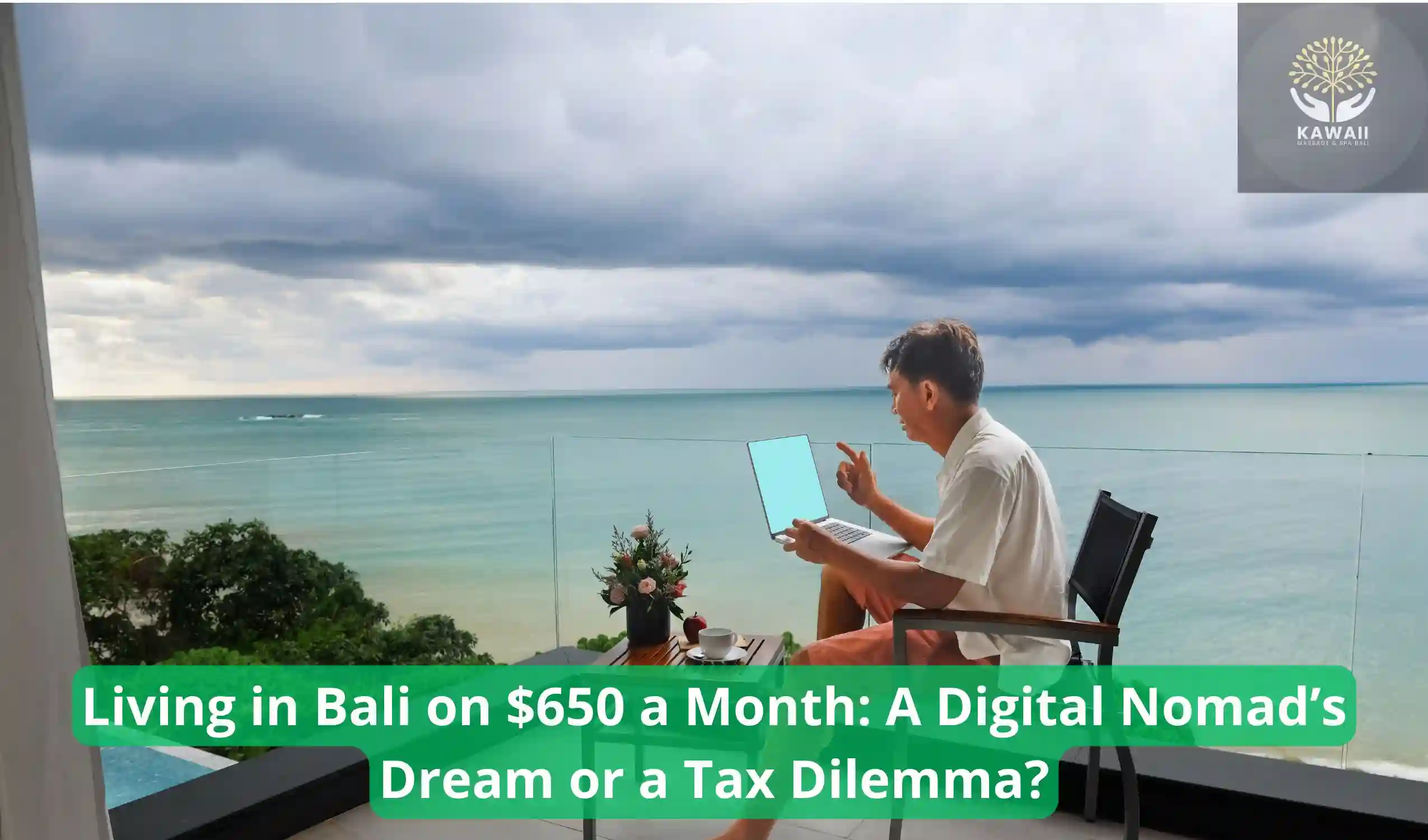
On June 7, 2024, a viral post by @KemenperinRI sparked a spirited online discussion about the growing trend of foreigners—often dubbed “bule”—living comfortably in Bali on as little as $650 a month. The post highlighted a TikTok video by @alexubin, which showed a casually dressed foreigner strolling through a Balinese street. The caption raised a serious question: Who truly benefits from this lifestyle—the local Balinese economy, or the nomad’s home country?
This article explores the rise of digital nomads in Bali, the economic and legal implications of their presence, and what the future might hold for the Island of the Gods.
The Rise of Digital Nomads in Bali
Why Bali Appeals to Digital Nomads
Bali is no longer just a tropical paradise for vacationers. It has rapidly transformed into a global hotspot for digital nomads, retirees, and remote workers. According to a 2023 report by William Russell, Bali’s low living costs, natural beauty, and serene lifestyle provide an ideal environment for foreigners to work remotely and enjoy life.
The TikTok That Sparked a Conversation
In the TikTok video shared by @alexubin, the foreigner claims to live in Bali on just $650 per month—a number that seems astonishing from a Western perspective, but entirely possible on the island. With villas available for as little as $300/month, and affordable food and transportation, digital nomads can enjoy a luxurious lifestyle for a fraction of what it would cost elsewhere.
Remote Work: The Backbone of the Nomad Lifestyle
The rise of remote work has only added fuel to Bali’s digital nomad boom. As outlined in a 2022 bali.com article, the island boasts co-working spaces with high-speed internet, networking events, and community hubs. Remote workers from across the globe can continue earning high salaries while spending less on living expenses.
Economic Impact: Who Gains More?
H3: Digital Nomads’ Contribution to the Local Economy
Digital nomads bring obvious economic benefits. As @abulmuzaffar10 noted in a reply to the viral post, expenses like villa rentals, scooter hires, and dining at local warungs directly benefit Balinese residents. Their presence also helps boost tourism through the content they share online, indirectly promoting Bali to their global audiences.
H3: The Tax Dilemma – A Loss for Indonesia?
While digital nomads support the local economy through spending, they often pay taxes in their home countries. As @rdmakbar pointed out, anyone staying in Indonesia over 183 days in a 12-month period is considered a tax resident. This could lead to a monthly tax of Rp15 million (~$950) for someone earning $4,500/month under Indonesia’s 20% flat rate.
H4: Tax Avoidance Loopholes
A follow-up post by @KemenperinRI on June 8, 2024, highlighted tactics used to dodge taxes—like leaving and reentering the country frequently. While legal, this practice deprives Indonesia of valuable tax revenue that could enhance infrastructure and services.
H4: Double Taxation Agreements and the Legal Loophole
According to William Russell, Indonesia has Double Taxation Agreements (DTAs) with 71 countries, allowing some foreigners to avoid paying Indonesian income tax entirely. As @ChelseafanIndo commented, this creates an unfair system where locals bear tax burdens, while foreigners benefit from public resources without contributing financially.
Social and Cultural Consequences
H3: Gentrification and Rising Living Costs
As @Maldecena argued, digital nomads unintentionally fuel gentrification. Their higher purchasing power raises rents and property values, especially in trendy areas like Canggu and Ubud. Long-term leases and property development by foreigners may price locals out of their own neighborhoods.
H3: Wage Disparities and Inequality
Despite their spending, digital nomads don’t solve structural issues like low wages or unemployment. According to William Russell, Bali’s unemployment rate is over 5%. Locals earning in rupiah can’t match the lifestyle of foreigners paid in dollars or euros, deepening the gap between visitors and residents.
H3: Cultural Appreciation or Cultural Erosion?
While many foreigners embrace Balinese culture—attending ceremonies and learning local customs—there is concern over commercialization and dilution of traditions. Without respectful engagement, the island’s rich heritage risks becoming a commodity.
Legal Status of Digital Nomads in Indonesia
H3: The Remote Worker KITAS
According to bali.com, foreigners working remotely for overseas employers can apply for a Remote Worker KITAS, a limited-stay permit. Requirements include proof of foreign employment and a minimum income threshold, offering legal residence without breaching immigration rules.
H3: The Upcoming Digital Nomad Visa
As reported by Digital Nomad Asia in 2025, the Indonesian government is developing a Digital Nomad Visa. Though delayed due to the pandemic, this visa aims to provide a clear legal pathway for remote workers wanting to stay long-term while supporting the local economy.
H3: Tax Rules for Foreign Residents
The PwC Tax Summaries explain that under Indonesia’s Omnibus Law, foreigners may only be taxed on Indonesian-sourced income for their first four years as residents, provided they have specific skills. Combined with DTAs, this allows many to live tax-free while using local infrastructure and services.
Finding a Balance: Solutions for a Sustainable Future
H3: Maximizing Benefits for Bali
To fully capitalize on the digital nomad trend, Indonesia could:
-
Enforce stricter tax compliance for long-term stays
-
Enhance infrastructure like Wi-Fi and transport
-
Promote regulated co-working hubs and long-stay visa programs
H3: Supporting Local Communities
To prevent locals from being left behind:
-
Cap long-term land leases and real estate development by foreigners
-
Keep housing affordable for Balinese residents
-
Encourage cultural exchange through volunteering and community-based programs
The Road Ahead: Is Digital Nomadism Sustainable for Bali?
Bali stands at a crossroads. The Digital Nomad Visa could usher in a new era, where foreign remote workers legally reside and contribute more meaningfully to the local economy. But unchecked growth could worsen inequality, gentrification, and cultural erosion.
Conclusion: Win-Win or Warning Sign?
The lifestyle of living in Bali on $650/month offers incredible advantages for digital nomads—but poses difficult questions for local residents, governments, and businesses. Can Bali harness this trend for long-term benefit? Or will the island become another cautionary tale of globalization and inequality?
Let us know what you think—should Bali welcome more digital nomads, or tighten regulations to protect local interests?


